A Controversial Move: Tesla Invested in Bitcoin
Tesla invested USD 1.5 billion in bitcoin. Its shareholders, unlike cryptocurrency enthusiasts, are not particularly pleased with this move. Since the disclosure, the company has lost more than USD 40 billion in market capitalization. Tesla’s decision is controversial for several reasons and may also undermine its green image. The company invested in an energy-intensive cryptocurrency with an annual carbon footprint of 37 megatons of CO2, an amount almost equivalent to what it earned last year from selling emissions credits.
Tesla became the first company in the S&P 500 to invest in cryptocurrencies. Tesla’s 10-K filing submitted to the US Securities and Exchange Commission (SEC) shows that the company has so far purchased bitcoin worth USD 1.5 billion and even plans, on a limited basis, to allow customers to pay with bitcoin:
“Under our policy, as duly approved by our Board of Directors, we may invest a portion of our cash in certain alternative reserve assets including digital assets, gold, gold exchange-traded funds, and other assets as specified in the future. Thereafter, in accordance with this policy, we invested an aggregate USD 1.50 billion in bitcoin and may acquire and hold digital assets from time to time or long-term. Moreover, we expect to begin accepting bitcoin as a form of payment for our products in the near future, subject to applicable laws and initially on a limited basis, which bitcoin we may or may not liquidate upon receipt.”
This information, disclosed on Monday 8 February, triggered immediate, strong, and mixed reactions in the markets.
Cryptocurrency fans cheer, shareholders are more skeptical
Cryptocurrency enthusiasts welcomed Tesla’s decision with excitement. They see an investment by someone of Elon Musk’s influence and stature as confirmation that cryptocurrencies are a promising investment. They also expect that once Tesla, as the first of the largest US companies, has broken the taboo, other large and more conservative firms will follow, and cryptocurrencies will become a common component of corporate portfolios.
It is therefore not surprising that bitcoin immediately rose to new highs after the announcement, and other cryptocurrencies also rallied.
Tesla shareholders, however, were less enthusiastic. The company’s shares rose by a modest 1% immediately after the disclosure, but then moved down quite sharply. By Thursday evening, they had fallen by more than 5%, and the company had lost more than USD 40 billion in market value.
The negative stock-market reaction primarily reflects doubts about whether such an investment decision makes sense beyond attracting media attention, and whether it could ultimately be detrimental to the company over the long term.
A step into the unknown
Holding part of a company’s liquid funds in the form of cryptocurrency entails many risks and is, in many respects, a step into the unknown.
Large companies typically invest excess cash in a conservative portfolio of highly liquid, high-quality securities with low volatility. The objective is not to maximize returns, but to park surplus cash that may be needed at any time. The average volatility of the treasury portfolios of the largest corporations is therefore typically around 1%.
Bitcoin’s annualized volatility, however, is as high as 80%. This means that even a relatively small percentage of cash invested in bitcoin can materially increase the volatility of the entire treasury portfolio. That may be undesirable, because the primary purpose of these funds is not to generate high returns at the cost of high risk. Moreover, Tesla’s balance sheet is already excessively volatile even without bitcoin.
Even if we accept the premise that the investment is intended primarily to generate high returns rather than simply to temporarily allocate excess cash, problems remain. Under accounting rules, Tesla records its bitcoin holdings as indefinite-lived intangible assets (similar, for example, to goodwill). This means that any increase in the price of bitcoin will be reflected positively in Tesla’s financial statements only upon sale, while any price decline will be recognized immediately during the holding period as an impairment of the intangible asset.
Naturally, if the company were ever to decide or be forced to sell a more significant portion of its bitcoin portfolio in a single transaction, doing so at that scale would not be possible without negatively affecting the sale price.
Further question marks
The situation is complicated by Elon Musk’s enormous influence on the price of the best-known cryptocurrency. As he has shown many times, his tweets and statements can “pump” the price upward almost at will. This, of course, creates room for purposeful manipulation, particularly given that he has previously had issues with regulators over alleged market manipulation of Tesla’s share price via statements on Twitter.
Could he one day choose to offset a potential decline in revenues by tweeting about the bright future of cryptocurrencies? And did he tweet about bitcoin in recent weeks only because Tesla had already purchased it? An even more interesting situation could arise if customers were allowed to pay in bitcoin. What if someone pays for a large order in bitcoin and Musk subsequently tweets something positive about the cryptocurrency, thereby effectively increasing the sales proceeds retroactively? And how would regulators view such a situation?
The opposite scenario is also possible. Bitcoin’s price could, for example, fall by 20% shortly after a sale, thereby reducing sales proceeds ex post. How would such potential volatility be reflected in margins? And what should Tesla do with the bitcoin received? Would Tesla have to employ an army of crypto traders to manage its cash flow?
A green company?
Another interesting, and no less problematic, issue is the potential negative impact of Tesla’s investment decision on its green corporate image, which is important also in terms of inclusion in ESG indices.
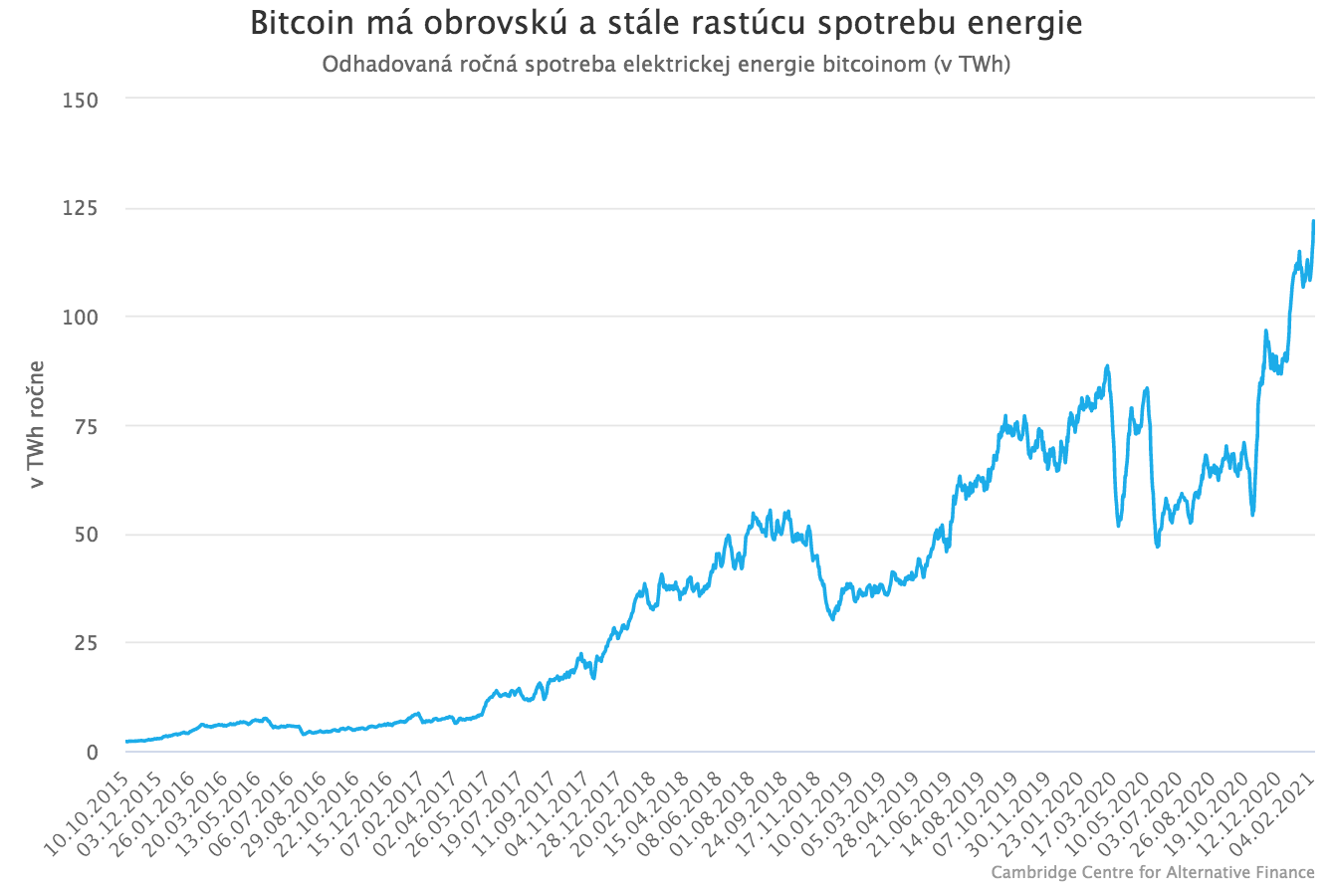
Bitcoin is a cryptocurrency that, by design, has enormous energy consumption. Current estimates put it at 121.36 TWh per year, more than entire countries, and as much as 48% of the total energy consumption of all data centers worldwide.
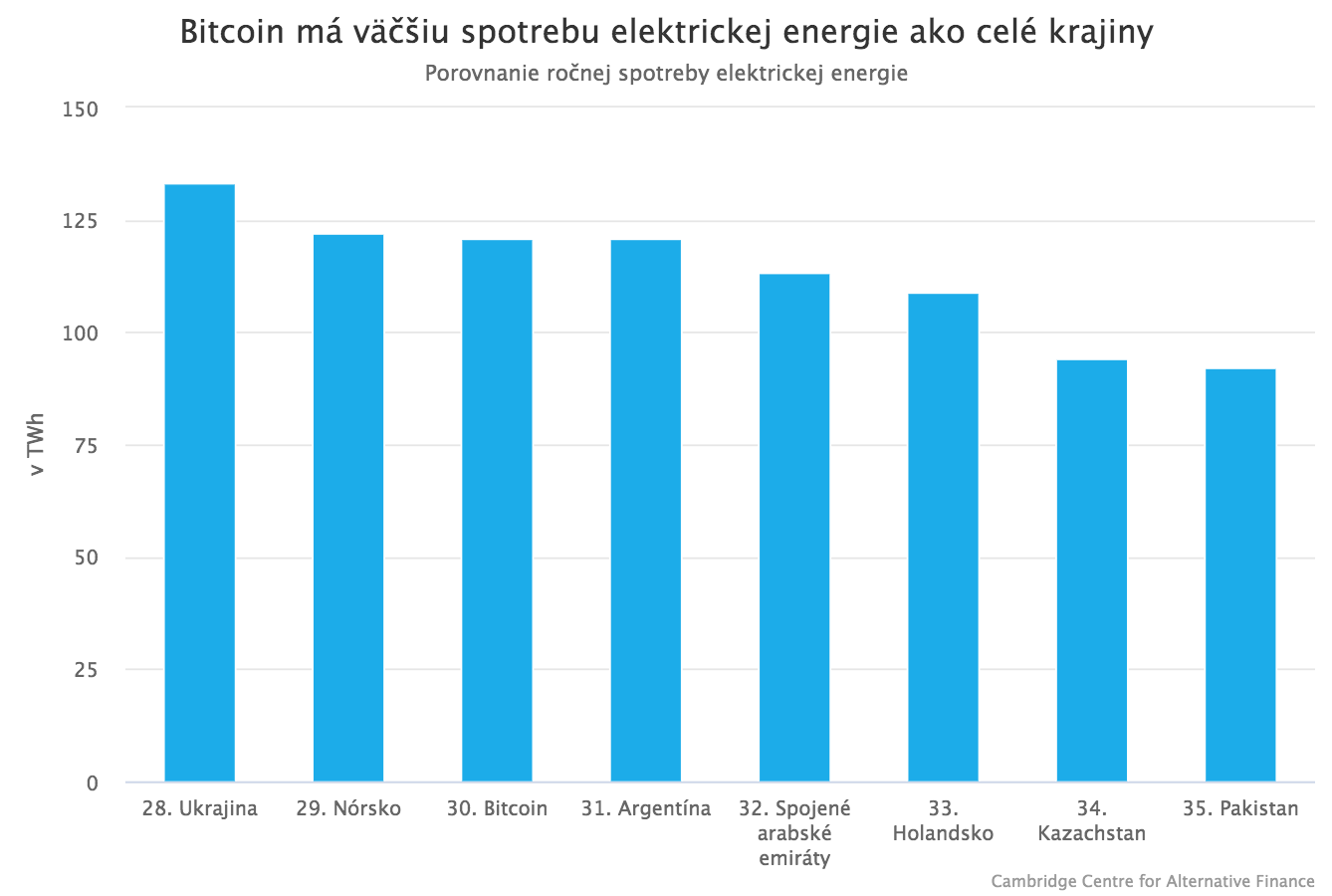
This week, bitcoin surpassed Argentina in energy consumption. As a result, only 29 countries now consume more electricity than this cryptocurrency. A single bitcoin transaction requires on average nearly 500,000 times more electricity than a standard VISA transaction.
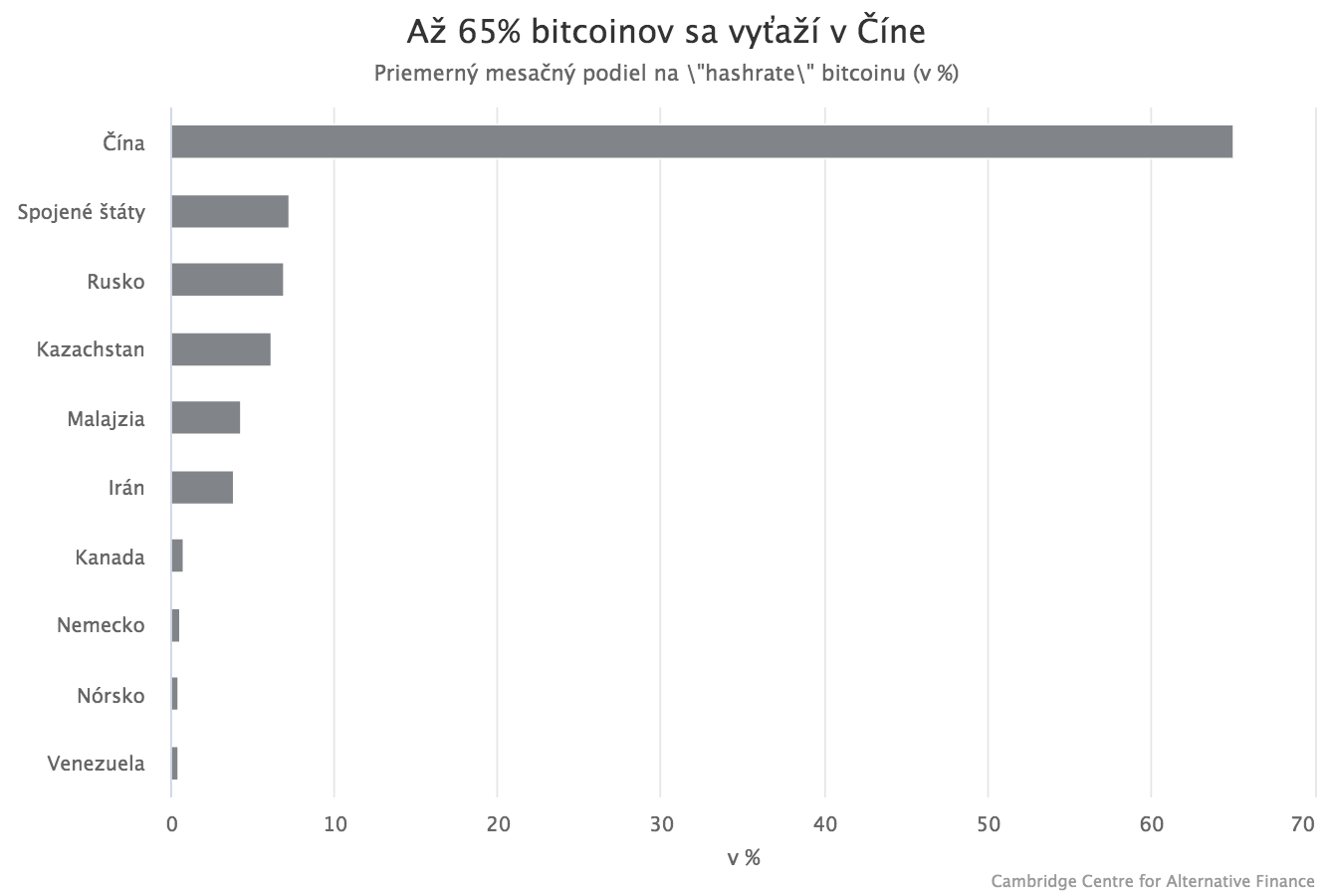
As much as 65% of bitcoin is currently “mined” in China due to low electricity costs, which account for more than 90% of mining costs. The problem, however, is that electricity in China is generated 70% from coal, which is also why it is cheap. Bitcoin therefore has a massive carbon footprint. Estimates put it at as much as 37 megatons of CO2 per year. Because of its significantly negative environmental impact, this cryptocurrency has even been dubbed “Crypto-Chernobyl.”
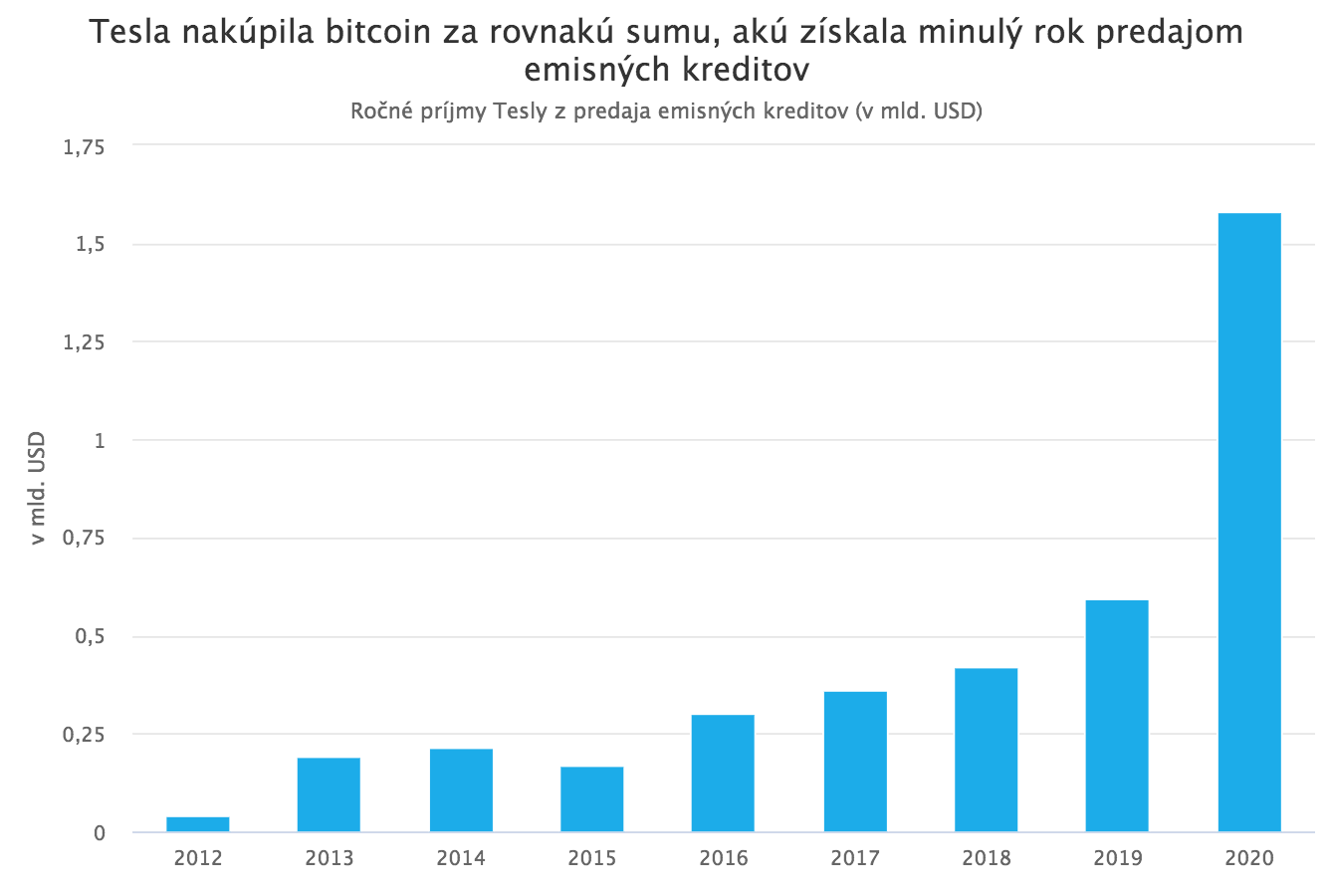
A USD 1.5 billion investment in bitcoin could therefore materially damage Tesla’s green image. The optics are further worsened by the fact that Tesla earned almost the same amount last year (USD 1.58 billion) from selling emissions credits, without which it would not have been profitable. Put simply, the investment can thus be framed in a very unflattering way as spending an “environmental subsidy” from US taxpayers to support coal-fired power generation in China.