The Fed launched the fight against inflation
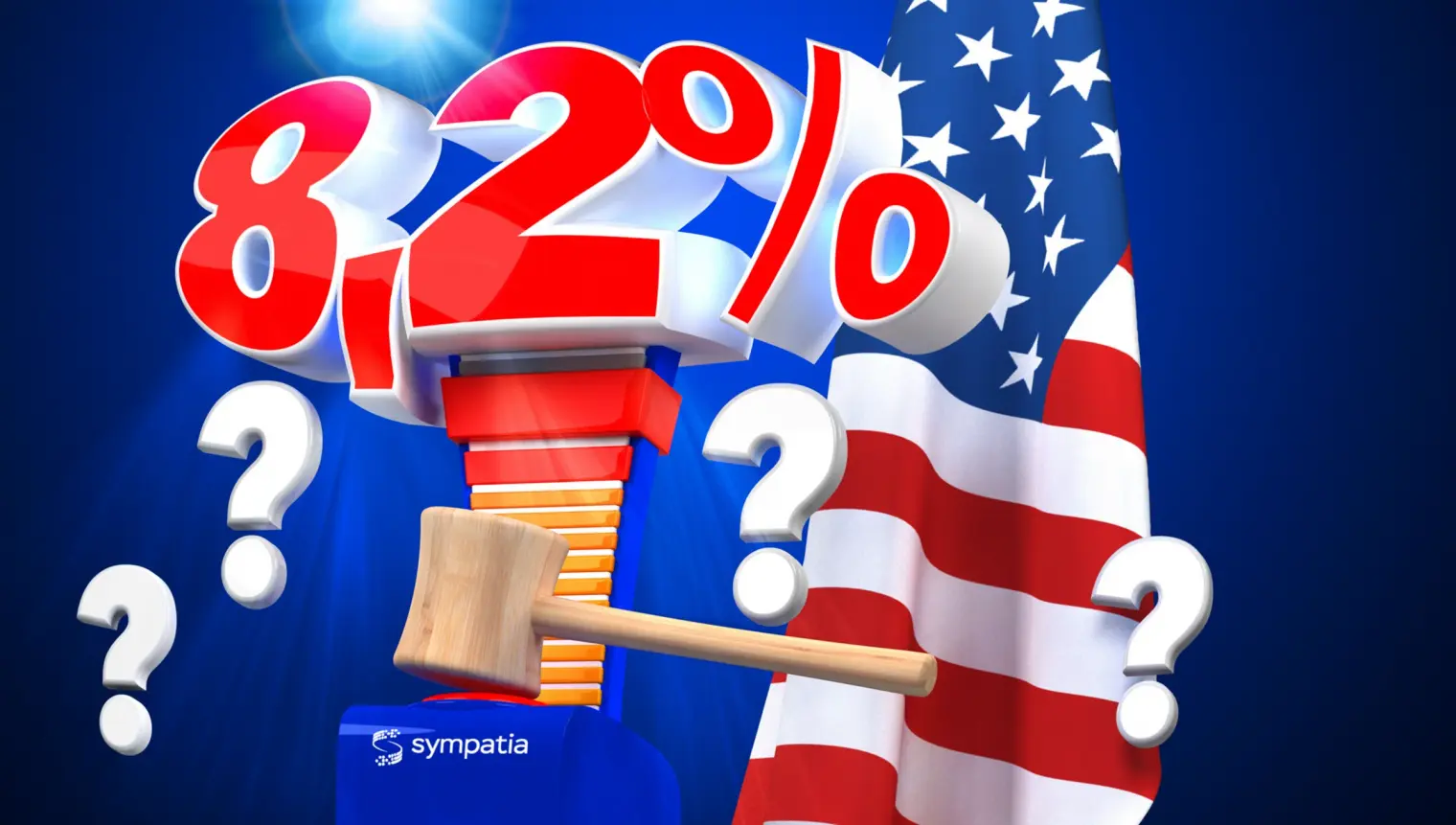
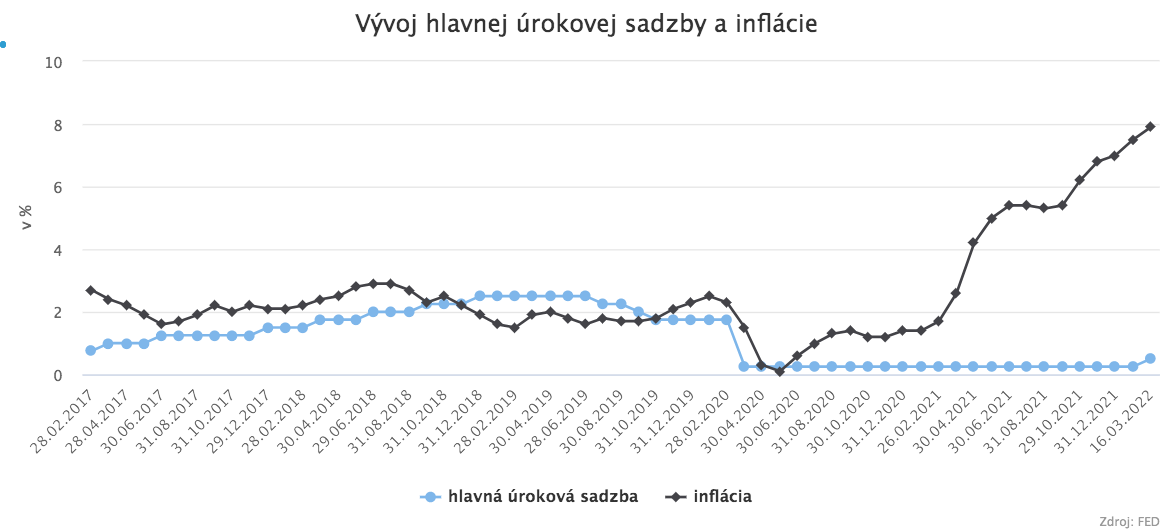
However, the central bank revised its forecast regarding GDP growth and the price level. It adjusted economic growth from 4% to 2.8%, and inflation is expected to reach 4.3% this year, while the original estimate was 2.7%. In February, year-on-year inflation in the U.S. was 7.9%, the highest level since January 1982. The estimate for March year-on-year inflation is 8.2%, and that is far from expected to be its peak.
How high will rates rise?
Of course, no one can predict the final level of rates with certainty today. Powell, the head of the Fed, has largely kept his options open and can maneuver in this regard. Nevertheless, Fed officials published new projections showing where they see interest rates heading. The median estimate for 2022 is in the range of 1.875%. For the following year, they see the main interest rate at 2.75%, where it should remain for a longer period. Another notable development is the rise in mortgage interest rates, which climbed above 4%, a level last seen in 2019. These forecasts change over time and will be adjusted to the current situation in the economy. It is therefore possible and even likely that things will turn out quite differently. This year, rates should be raised a total of six times, at least according to the Fed chair. Faster rate hikes were not ruled out either, for example by 0.50 percentage points in a single meeting. With these statements, he is preparing the economy and financial markets for the upcoming steps to prevent possible shocks.
The Fed plans to shrink its balance sheet
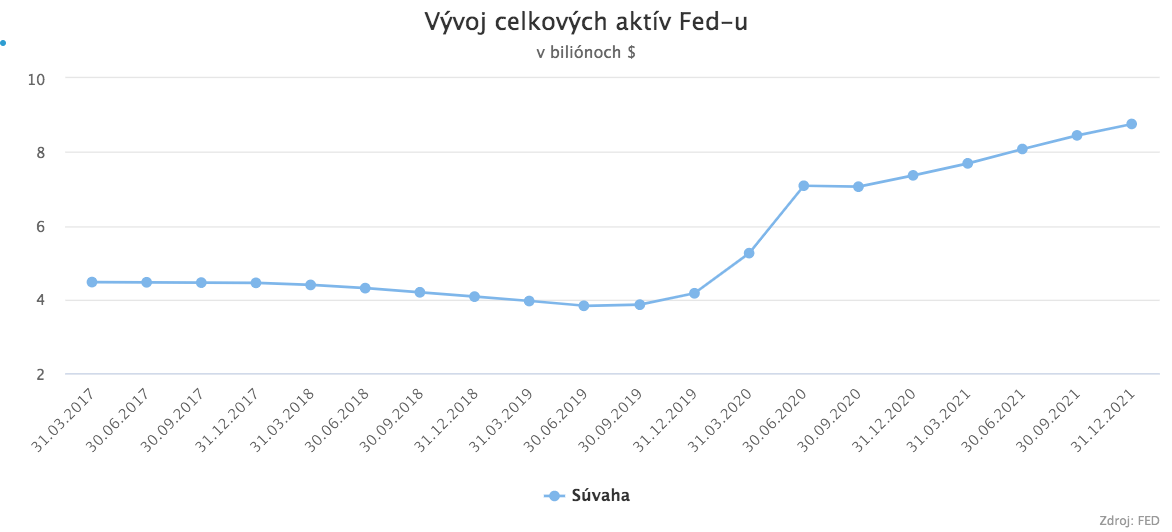
In March, the Federal Open Market Committee (FOMC) ended asset purchases and announced that it would begin reducing its holdings in the near future. As a first step, it should stop reinvesting assets with maturing principal, and in the following months it may also begin selling them. The Fed currently has a truly record balance sheet worth nearly USD 9 trillion. Its balance sheet expanded the most during the pandemic, increasing by roughly USD 5 trillion. Through record asset purchases, the FOMC aimed to stabilize liquidity and provide unprecedented support to the economy during the COVID crisis.
Is the ECB next?
In the euro area, we will have to wait a bit longer for rate hikes. The euro bloc directly borders Ukraine, and the conflict affects it far more than it does the U.S. For that reason, monetary tightening will probably be slower than in America. The ECB has repeatedly said it must be more cautious in its monetary policy and takes all factors into account. The bank estimates that the impact on the EU economy will be more significant, which is why it also revised its GDP growth and inflation forecasts. The result of year-on-year price growth in February in the euro area was 5.9%, a historic record. The European Central Bank still expects stronger economic growth than in the U.S., at 3.7%. On the other hand, it expects inflation of 5.1%, which is higher than in our western ally. In addition, economic analysts are counting on only one interest-rate increase in the euro area this year, amounting to 0.25 percentage points. It should be noted that all these forecasts should be taken with caution, since they can change at any time, as they have now. Today, it is necessary to monitor developments in Ukraine in particular, because the outcome of this war will indicate the future direction of the global economy.