Who Will Profit from the Artificial Intelligence “Gold Rush


Date: 29 Feb 2024
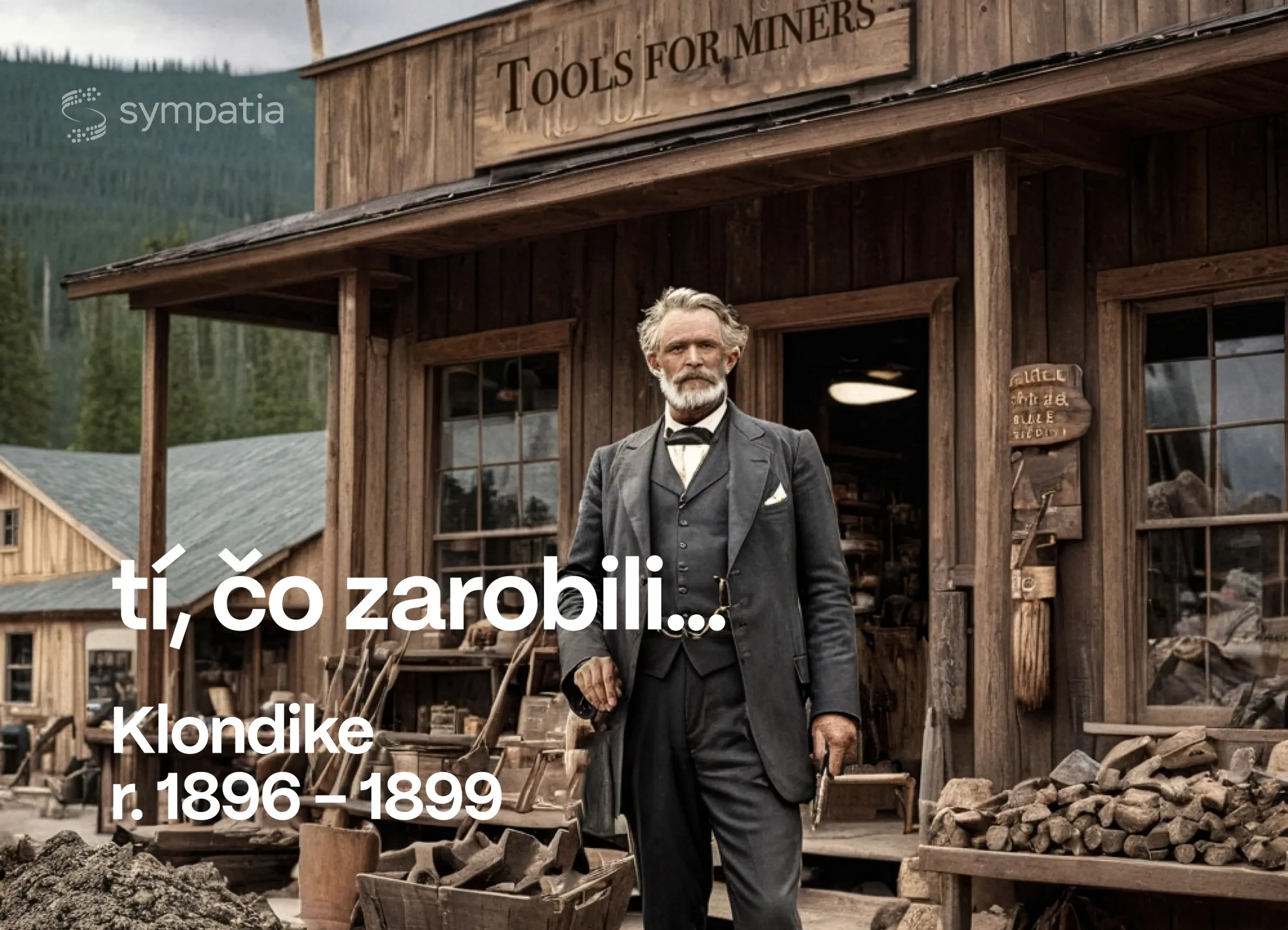
During the Klondike gold rush many new fortunes were created — but not by the miners. The biggest winners were suppliers: manufacturers and sellers of picks, shovels and other tools the miners suddenly needed in huge quantities. They seized the opportunity created by new demand.

The phenomenon of artificial intelligence today mirrors that gold rush. Almost every company is trying to harness AI’s rise to its advantage. Yet the initial “pioneer” phase and its early winners are likely behind us. In the AI core, OpenAI and its chatbot ChatGPT became the first clear success, rising from nothing to an estimated valuation of about $100 billion in a few years, by delivering a product with evident realworld utility. On the supplier side, Nvidia became the standout winner by producing the highperformance chips required to run AI models — it posted roughly $30 billion in net profit last year and has a market cap approaching $2 trillion.

AI has matured from a pioneering novelty into a real innovation that already changes our lives and will soon become a routine part of daytoday life. Tech giants such as Google and Apple — and virtually every major player — understand they must adapt to this strategic trend and invest heavily now, even if the precise economic outcomes remain uncertain. Investment must be made today in the expectation of future returns. That’s why, despite the current euphoria, only the “chosen” and the fastest actors are truly profiting.
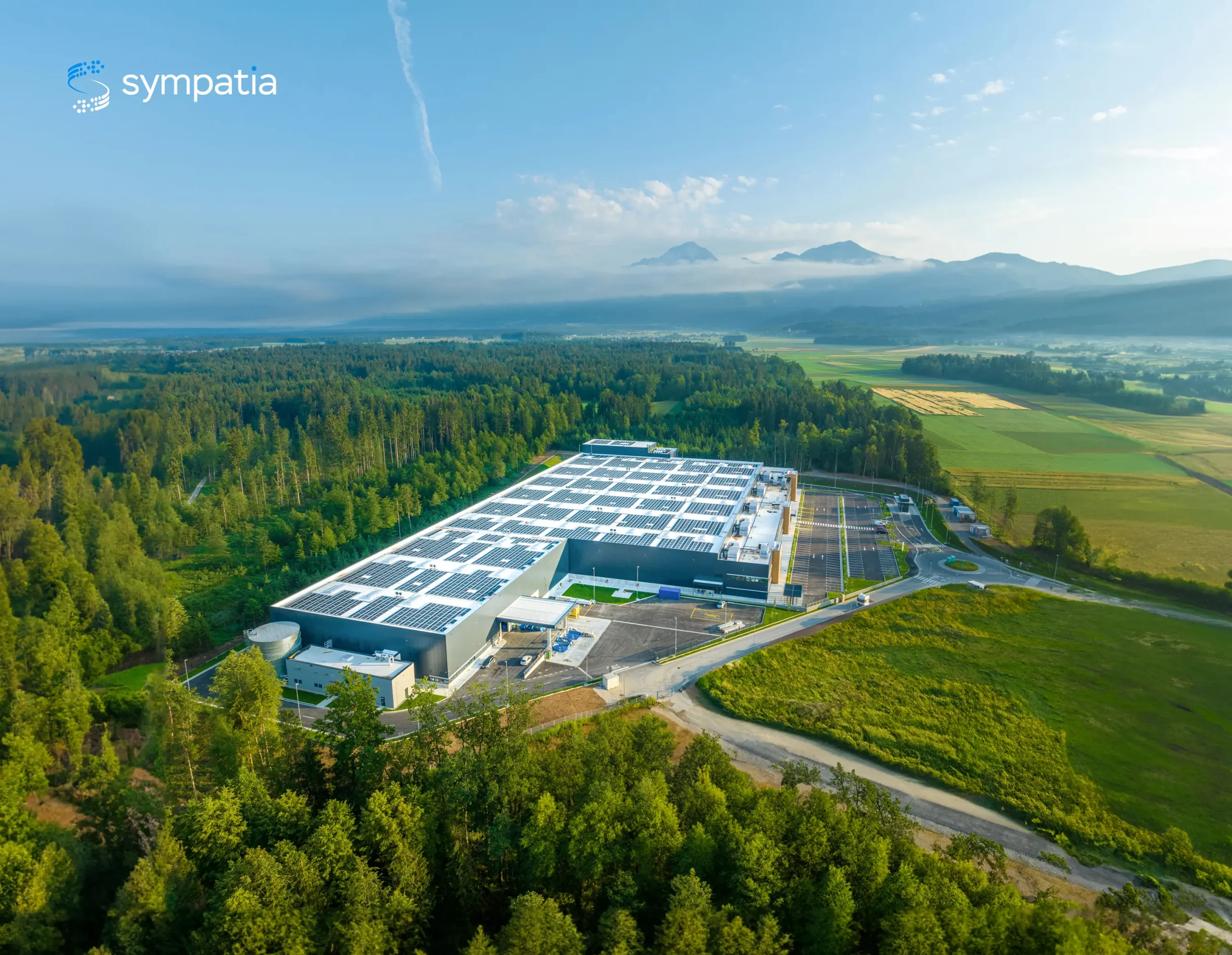
Where will the biggest investments flow? Remember the suppliers to the Klondike miners? If AI is modern gold, we’re all the diggers. The modern “picks and shovels” are the infrastructure that makes AI work: not only powerful chips, but data centres where thousands of GPUs run the algorithms, computations and models.

Analyst group Dell’Oro forecasts as much as $500 billion of investment in the datacentre infrastructure needed to support AI workloads by 2027. In the past 90 days alone, roughly 2.1 GW of datacentre leasing capacity for AI workloads has been contracted.
Private equity giant Blackstone is one predictive example. During the pandemic it acquired a major industrial developer and now plans to invest up to $25 billion into building several gigawattscale campuses. It has already spent more than $1 billion buying land across five U.S. states and intends to expand globally. Who will be the primary tenants of those facilities? Companies like Nvidia.
Industrial real estate’s new runway Industrial real estate has far from exhausted its potential. On the contrary, it’s opening to a nearly endless inflow of modern “gold rush” demand and the suppliers who serve it. AI will need physical infrastructure — factories, logistics hubs, warehouses, R&D sites and data centres — and that drives longterm demand for welllocated industrial properties.
A similar structural transformation already happened recently in Rijeka, Croatia, where a new container terminal and transshipment hub changed freight flows across Central and Southeast Europe. That investment — anchored by Maersk’s major terminal project — shortens transit times and lowers transport costs for goods from Asia to Europe, and it reshaped logistics dynamics across the region. At Sympatia we positioned ourselves early to be among the pioneers in that market.
What we build and why it matters as infrastructure suppliers, we develop manufacturing halls and logistics centres in Croatia and Slovenia that will remain necessary and sought after: for production, R&D, storage and distribution — and for data centres. Those projects deliver stable, sustainable returns to us and our investors.
Why industrial real estate remains an attractive riskreturn profile:
Typical lifetime of an industrial building is roughly 50 years; with an average yield of about 9% p.a. the initial investment can be recovered within about 12 years.
Over a building’s lifetime, total returns can be several times the original investment — an excellent risk/reward ratio.
Highvalue construction and quality tenants provide additional collateral and downside protection.
Reliable, longterm rental income from major international tenants.
Leases often include inflation indexing, a strong hedge against inflation.
We have already completed the first wave of projects near Ljubljana and Zagreb, which immediately began producing millions in annual rental income. Projects near Rijeka, Zdenčina and Brnik are close to completion or currently under construction. We sign tenants that are among the largest global logistics and industrial companies — Bosch, DHL, Maersk, Kuehne+Nagel, CargoPartner and Electrolux — businesses with revenues measured in billions, often publicly listed on major exchanges.
Conclusion The AI gold rush is real — but the largest and most reliable profits are accruing to those who supply the infrastructure that makes AI possible. Industrial real estate, logistics hubs and datacentre campuses are central to that ecosystem. By building highquality, strategically located projects and securing creditworthy, longterm tenants, investors can capture durable cash flows that weather technological change and macroeconomic cycles.
To learn more about our projects and how to participate, visit www.sympatia.sk.