Will the Global Economy Grow More Slowly?
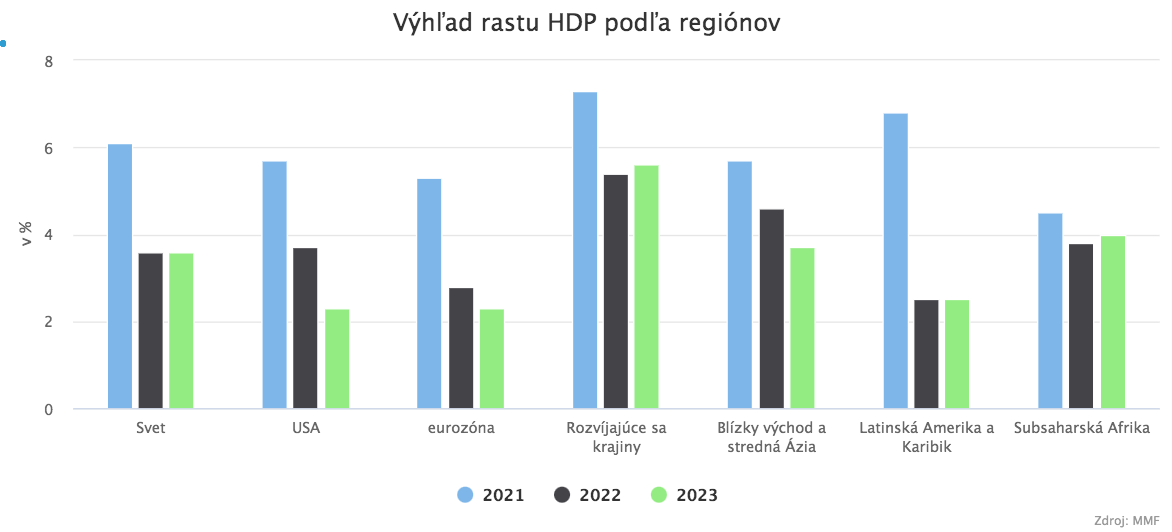
The International Monetary Fund (IMF), based on new developments, revised its estimates for the outlook of the global economy. After the revision, the IMF expects global economic growth of 3.6% in 2022 (revised from 4.4%) and 3.6% in 2023 (revised from 3.8%). According to the IMF, inflation in advanced economies should reach 5.7% this year (revised from 3.9%) and 2.5% next year (revised from 2.1%). Emerging economies are expected to struggle with inflation of 8.7% (revised from 5.9%) and 6.5% in 2023 (revised from 4.7%). In addition, IMF analysts expect price pressures on oil to ease only in 2023. For the current year, they forecast an average price of USD 106.83 per barrel.
Could the economy grow even more slowly?
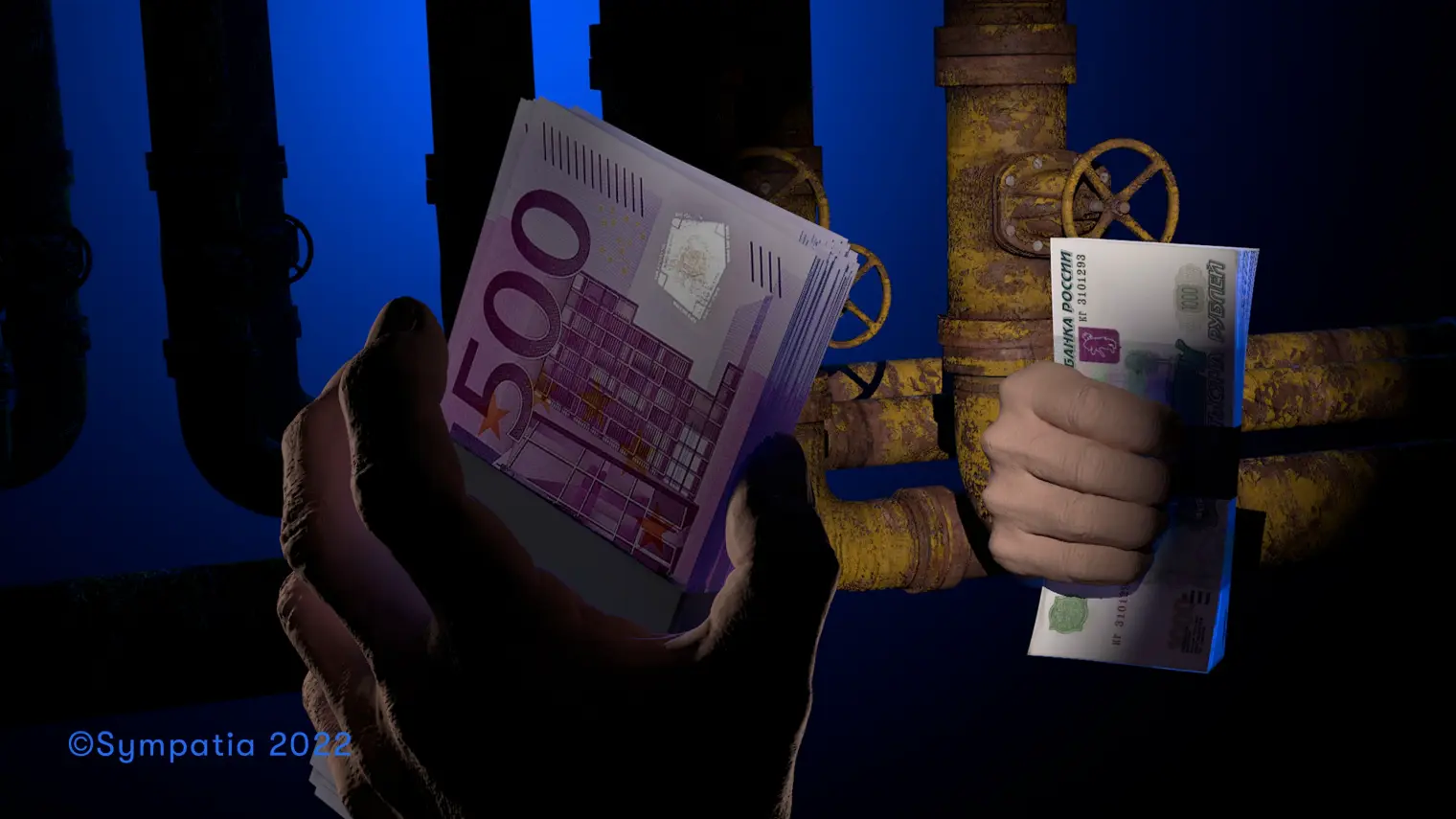
If the situation in Eastern Europe worsens and economic ties with Russia are completely cut off, the economy could slow significantly, potentially even slip into recession. The problem is not so much a dramatic decline in overall economic activity, but rather the impact on EU industry and the food sector. Therefore, the total damage to the economy would likely not exceed 2% to 5% of total GDP. According to Goldman Sachs, a complete halt in natural gas supplies from Russia would reduce eurozone GDP growth by 2.2 percentage points. In that case, GDP losses in the monetary union could reach €300bn if gas from Russia stops flowing. The most difficult question is whether the EU can replace Russian gas within one year, or whether these damages will affect the economy for several years. Natural gas is essentially the only commodity that is very difficult to replace and gives Moscow an uncomfortable lever over the Union. Of course, within 3 to 5 years the EU could achieve raw-material independence from the Russian Federation, which will likely happen. Germany, as the engine of the Union, plans to end imports of oil by the end of this year, and gas should follow later. Most analysts do not expect an immediate cutoff. However, Russia expects new gas payments from the West to be made in rubles. That could be the moment when gas supplies are truly interrupted. Nobody expects the EU to be willing to pay in the Russian currency instead of euros. The Kremlin’s demand for payments in rubles also contradicts long-term contracts, where the settlement currency is the euro.
Investors Are Extremely Nervous
After a brief rebound, stock markets are coming under pressure again, and investors are harshly punishing any slip-ups by companies. Among well-known and major drops are PayPal, Meta, and Netflix, whose shares fell by tens of percent after slightly worse quarterly results. All of these companies slightly missed shareholders’ expectations and worsened their outlook for the coming period, which led investors to panic-sell huge volumes of shares. Interestingly, Netflix disappointed for the second time in a row and was again punished with a steep drop, in this case by more than 30%. After the first decline about three months ago, Bill Ackman (a well-known Wall Street investor) invested in the company through his fund. Confusingly, right after the latest poor results, he sold his entire accumulated stake. The loss on the trade reached approximately USD 400 million. In this uncertain and volatile period, investors should be very careful when investing in individual stocks.