WallStreetBets,
a Reddit discussion forum with roughly four million retail investors known for high risk appetite and a desire to take on big institutional funds, has moved to the center of global market attention in recent days.
The GameStop battle
Some members noticed that several large hedge funds were betting on a decline in the shares of GameStop, a struggling brick-and-mortar video game retailer. That revelation angered many in the community. They have a nostalgic attachment to the brand and view large funds “betting on the company’s demise” as morally questionable. In response, they mobilized and began buying GameStop shares in a coordinated way, pushing the price higher, including through the options market. Retail traders bought out-of-the-money call options with near-term expirations, which forced dealers to buy the underlying stock as part of gamma hedging, further amplifying the rally.
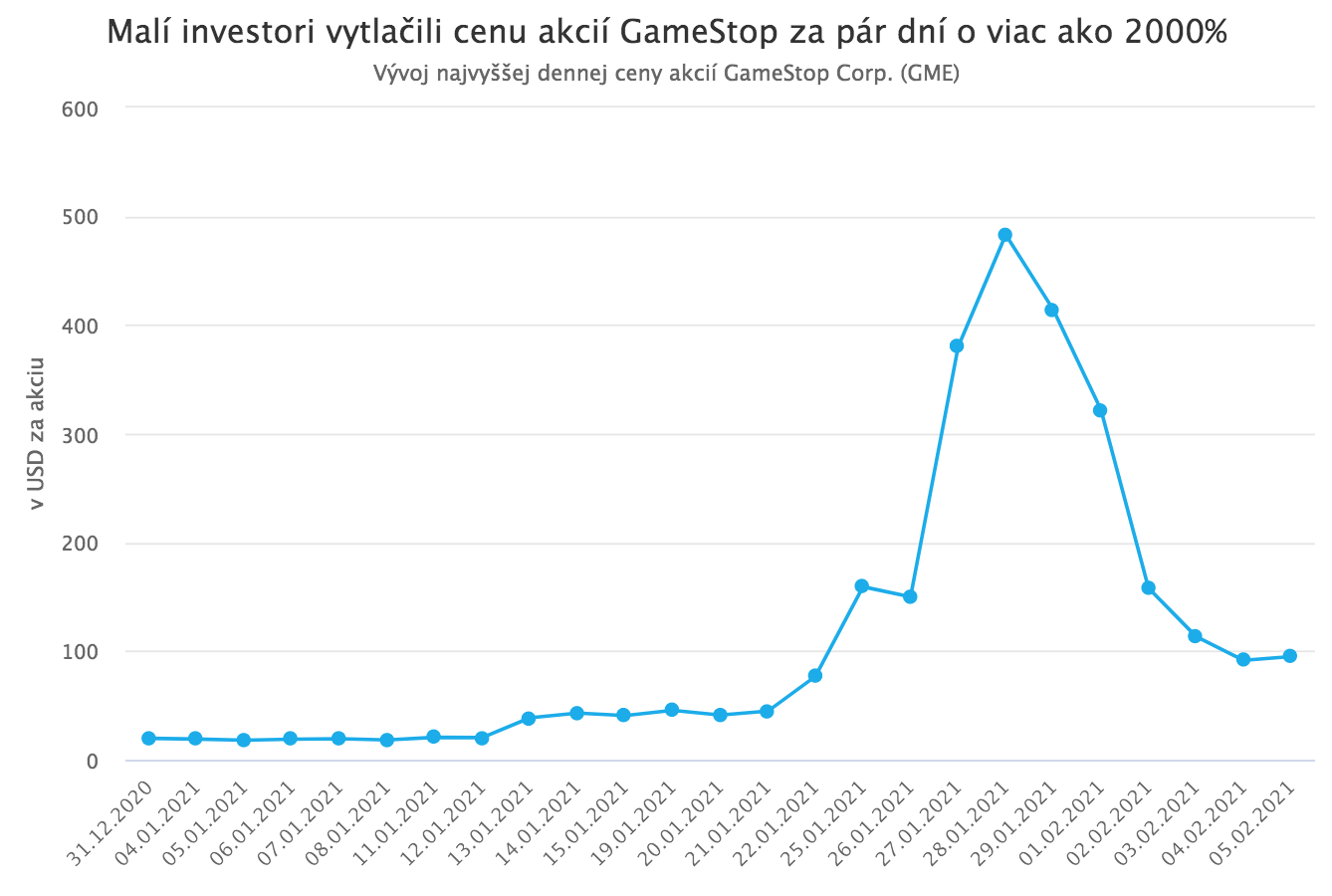
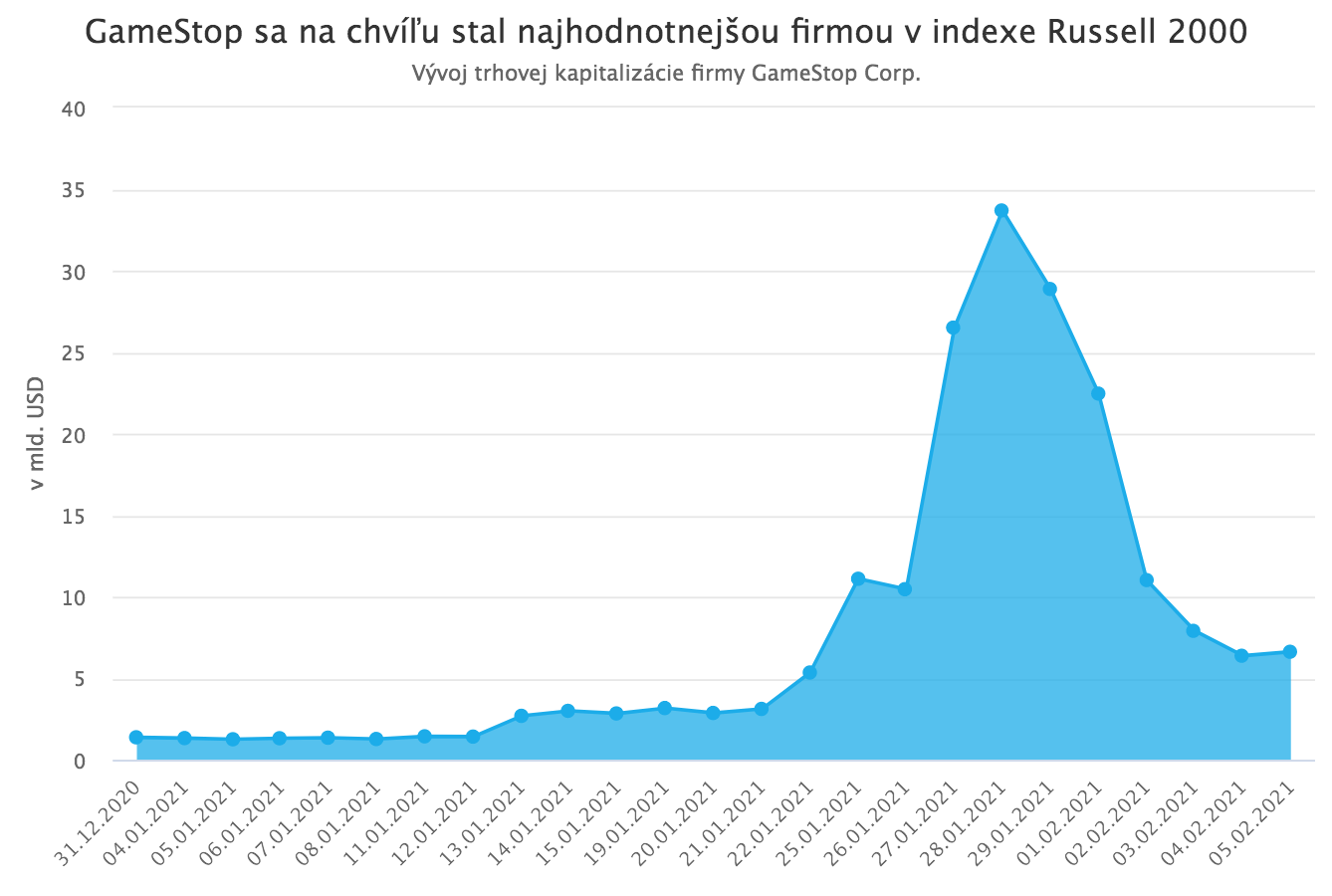
The result was a spectacular surge in GameStop’s share price over just a few days. At one point the stock was up more than 2,000% versus the start of the year, lifting the company’s market capitalization at the peak of the rally to above $30 billion. For a brief period, GameStop became the most valuable company in the Russell 2000 and, by market value, larger than roughly half of the constituents of the S&P 500.
Retail investors celebrated. Large funds that had shorted the stock were forced to capitulate, closing positions at enormous losses. Melvin Capital Management, a hedge fund with more than $12 billion under management, reportedly fell by 53%. Media outlets framed it as a David-versus-Goliath story.
From Nokia to Dogecoin
Alongside GameStop, shares of other “past-their-prime” companies rallied sharply, particularly those with strong nostalgic appeal among the millennial-heavy WallStreetBets community. Names included AMC, BlackBerry, Nokia, Tootsie Roll, and Build-A-Bear.
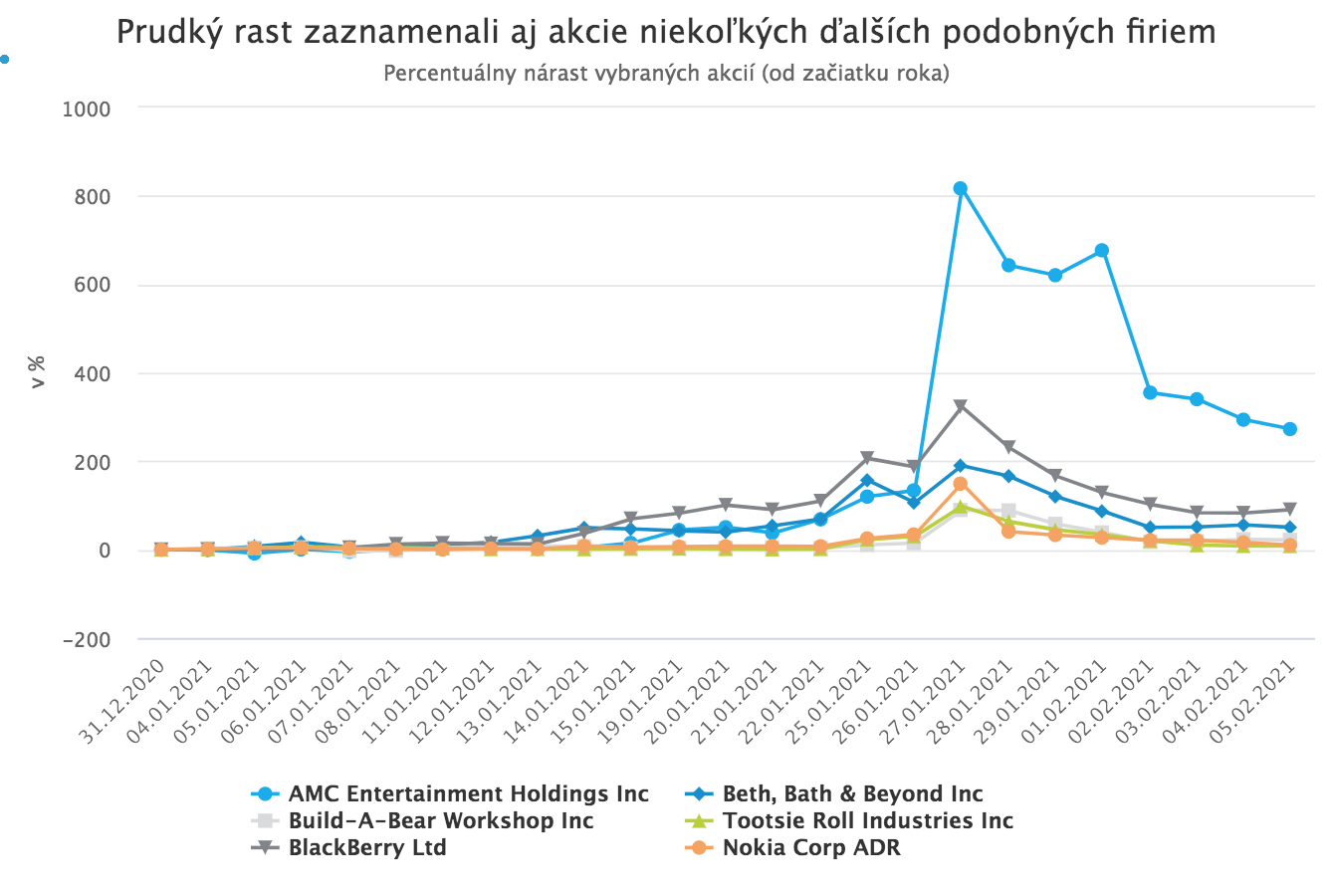
It is not entirely clear whether these stocks were bought primarily by WallStreetBets participants, by other investors attempting to anticipate the community’s next target, or by institutional players seeking to reduce the risk of suffering a GameStop-style short squeeze. In any case, directly or indirectly, the rallies were driven by WallStreetBets-related dynamics and appeared hard to justify on fundamentals given the weak outlook for many of these businesses.
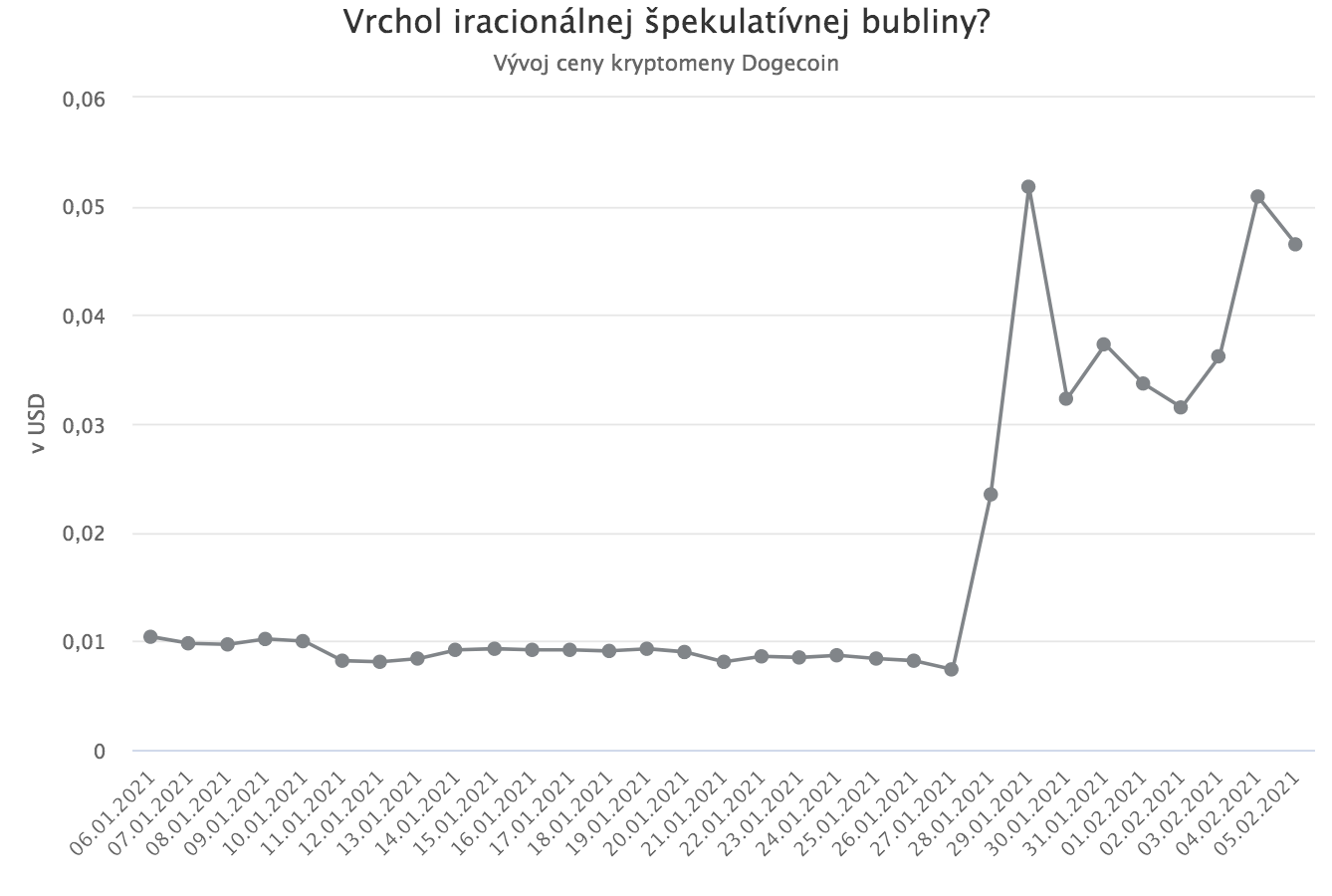
Perhaps the most striking example of the community’s ability to send almost any asset to absurd heights is the concurrent surge in Dogecoin, a cryptocurrency created as a joke with no clear practical use. After Elon Musk promoted it on Twitter, its price also jumped dramatically.
Investing versus wagering
This development is not entirely new. Similar episodes, brief bursts of irrational buying in questionable assets followed by sharp reversals, have been occurring more frequently since March of last year. They have even appeared in shares of bankrupt companies such as Hertz and JCPenney, which spiked for a few days before falling back quickly.
The trend reflects a rapid rise in interest in stock trading among a new generation of young investors, a shift that accelerated after the pandemic began. The pandemic struck at a time when U.S. brokers were engaged in a price war and aggressive marketing, making stock trading easier and more attractive. Lockdowns also meant people suddenly had more free time. Many who had previously gravitated toward sports betting or casino gambling looked for substitutes as sporting events were canceled and casinos closed. “Wagering” in financial markets became a natural alternative, and some brought the psychology and tactics of sports betting into equities.
That means placing small amounts into highly risky stocks of distressed, low-quality companies or other dubious assets, hoping that if one position “hits,” the payout can be many times the original stake. Rather than aiming for steady, risk-managed compounding, as professional investors typically do, the approach resembles high-volatility bets with lottery-like payoffs.
Social media coordination, especially via r/WallStreetBets, also reduces the role of pure chance. Because the targets are often smaller, less liquid stocks with low prices, coordinated retail buying can push prices sharply higher for a time, creating a self-fulfilling dynamic. Those who get in early and, crucially, exit in time can make substantial profits. From a legal standpoint, coordinated “pumping” of stocks (“pump and dump”) is problematic, but regulators remain, for now, a step behind.
A populist movement in the stock market?
What gave the GameStop episode its particular intensity and drew unusually broad public attention was its political dimension. It was not only the popular narrative of small investors trying to save a beloved retailer from Wall Street “predators,” but also a controversial move by the trading app Robinhood that helped cool the rally after a few days.
Robinhood, a popular platform among retail traders, temporarily restricted trading in GameStop, AMC, and other rapidly rising stocks, effectively stopping their parabolic price moves. Some other brokerage apps took similar steps. The company argued that settling trades in extremely volatile stocks could create capital and regulatory constraints, making restrictions necessary from a risk-management standpoint.
Retail traders, unsurprisingly, rejected that explanation. Many suspected the real motivation was to protect large investors from losses. Those suspicions were reinforced by the fact that Robinhood’s “free trading” model depends on payment for order flow, meaning it routes retail orders to large market makers, including Citadel, for a fee. Citadel, which has a close business relationship with Robinhood, also injected $2 billion into Melvin Capital during the GameStop turmoil, as Melvin’s short position generated huge losses. The resulting outrage quickly gained traction across the U.S. political spectrum. Commentators began comparing speculative retail traders to a new version of Occupy Wall Street, and the participants often embraced that framing themselves.
Regulators said they would examine both Robinhood’s decision and whether retail traders themselves breached rules through coordinated “pumping” of selected stocks.
Who wins?
Regulatory decisions on both fronts will, of course, shape the future of similar episodes. If authorities were to rule that Robinhood’s trading restrictions were illegal while taking no meaningful action against coordinated retail pumping, short, violent rallies in retail-favorite stocks would likely become more frequent and a defining feature of modern markets. An unfavorable outcome (from retail’s perspective) could dampen activity, but it is unlikely to eliminate it. In any case, final decisions from key regulators will not come quickly, and the WallStreetBets community is not waiting with folded arms.
Already the week after Robinhood restricted trading, attention shifted to silver. In a single day, silver prices were pushed up by almost 10%.
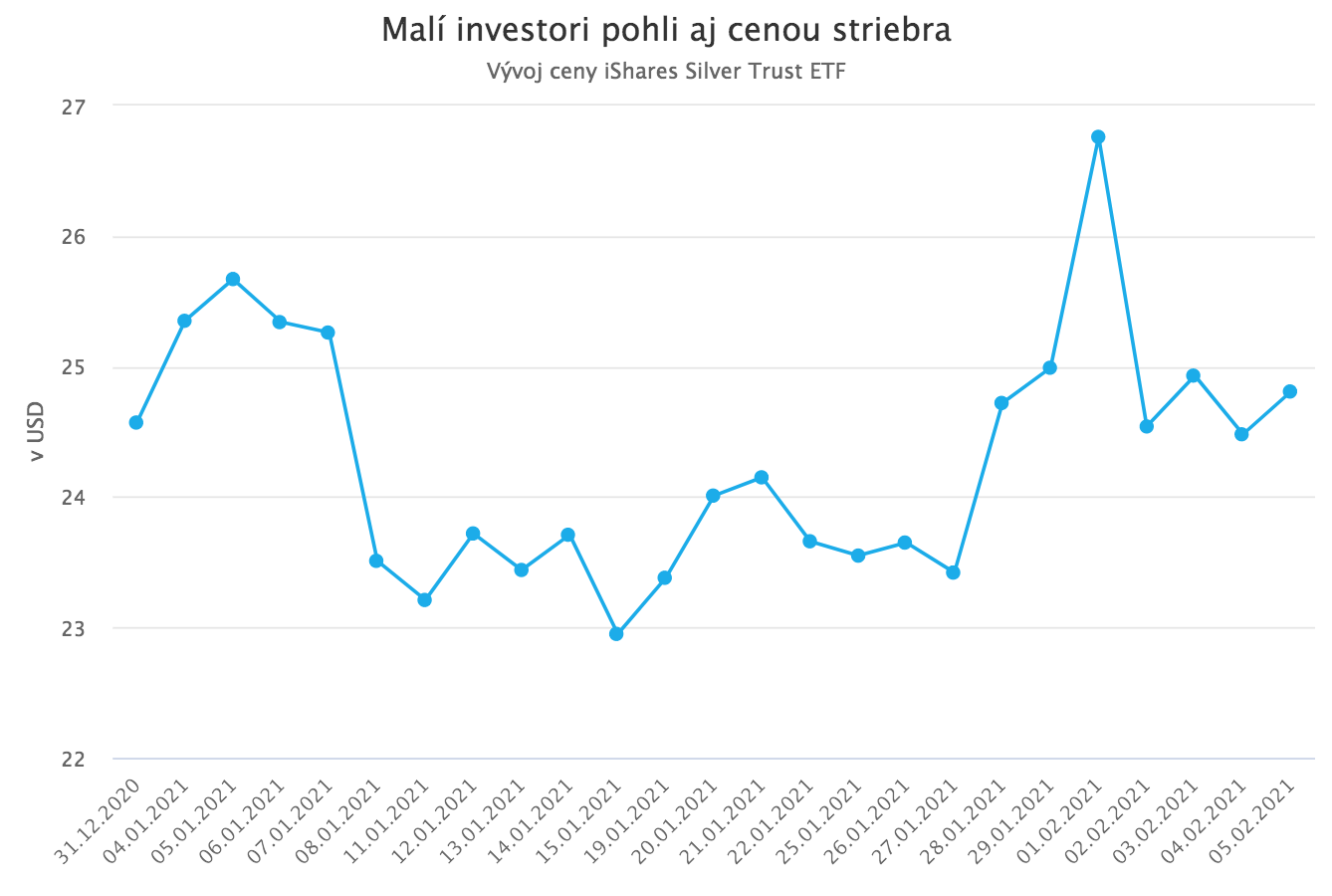
That was a notable move and suggests retail coordination can influence even more significant markets than illiquid, distressed equities. The silver market’s capitalization is roughly twenty times larger than GameStop’s was when retail buying began. At the same time, the silver episode highlighted the limits and paradoxes of this approach. The surge was short-lived. The stated goal was again to “punish” institutions believed to be short silver and profit in the process. But community members quickly pointed out that other large funds they disliked were actually positioned to benefit from higher silver prices, meaning retail buying would effectively help them. Enthusiasm faded and prices fell back.
A deeper look also shows that pumping stocks such as GameStop and AMC may have inflicted pain on short-selling hedge funds like Melvin Capital, but it also benefited other institutional investors, including funds and private equity firms focused on distressed situations, such as Silver Lake, Oaktree, and Mudrick Capital. Mudrick Fund reportedly made about $200 million from AMC’s surge. Companies that experience a retail-driven inflow of capital typically try to take advantage of the moment by issuing new shares. If the underlying business does not ultimately recover, that process can amount to a transfer of wealth from retail investors buying richly priced equity to bondholders and creditors, whose claims have priority in any bankruptcy.