What Do Warren Buffett and Elon Musk Have in Common?
Date created: 11 Dec 2023
Every investor wants a return — but how can you increase the odds of getting one? One simple solution suggests itself: if you want a manager who truly cares about a company’s success, they should own at least part of it. Is it really that straightforward?
Aligned management
Management with an equity stake in the company is often the exception rather than the rule. Yet history and the present day give countless examples where that approach improved a company’s performance. The logic is childishly simple and intuitive — if I own something, I care about it. I want to nurture and protect it.
Family businesses by the numbers
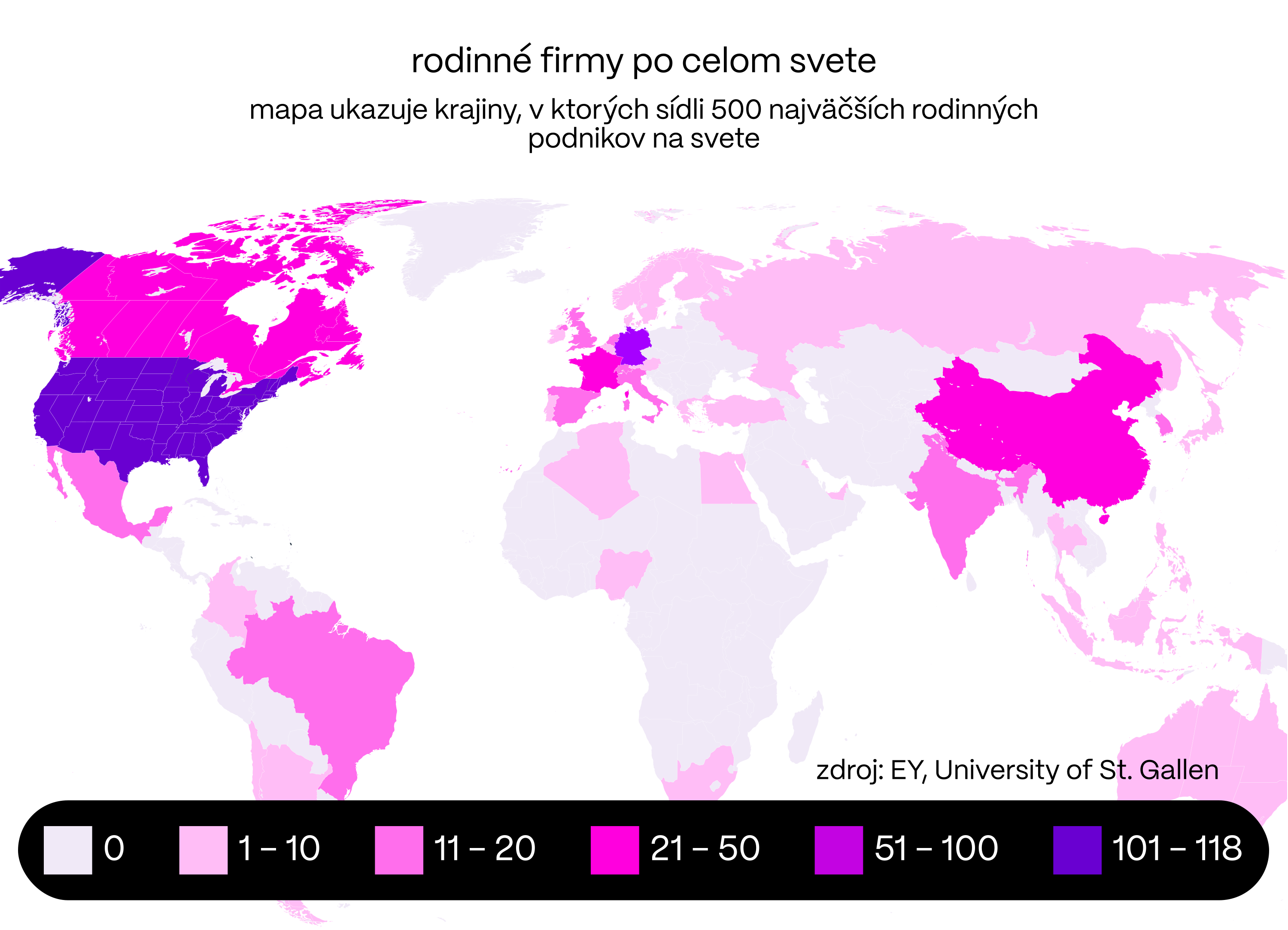
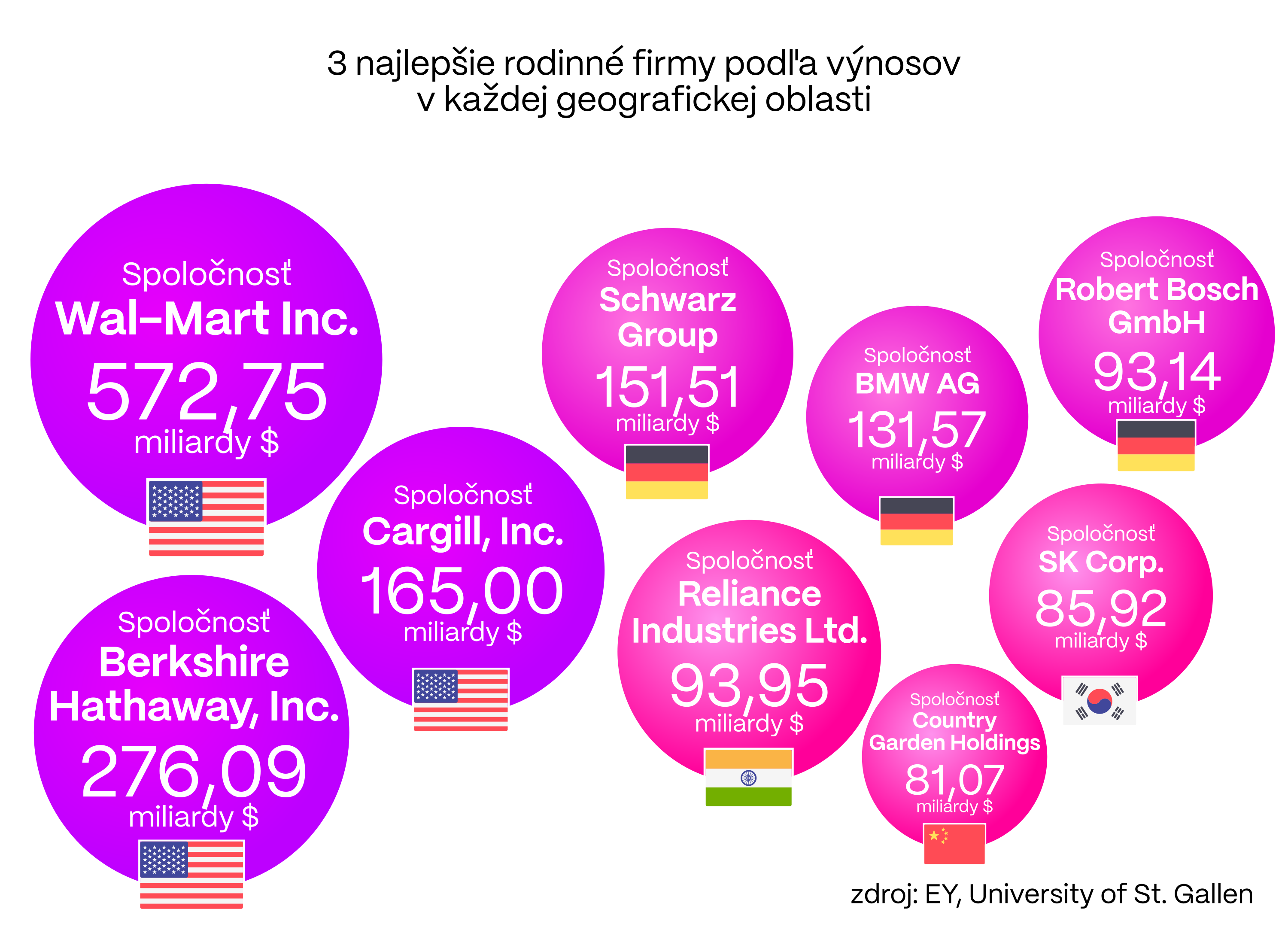
The Family Business Index from EY and the University of St. Gallen for 2023 is clear: the 500 largest family businesses are growing up to twice as fast as the world’s most developed economies. Globally they generate more than $8.02 trillion and employ roughly 24.5 million people. About 50% are headquartered in Europe, 30% in North America, and the rest are in Asia-Pacific. It’s not surprising that Europe leads in number, while the largest family firms are concentrated in the U.S.
Two stories from opposite ends
Capital markets also offer success stories built by managers who hold significant ownership stakes — for example, Berkshire Hathaway and Tesla. It’s hard to find two companies more different in business philosophy and focus. The first embodies value investing, anchored in the past and in stability; the second is growthoriented and boldly looks to an uncertain future. Yet their routes to success share a common denominator.
From textile threads to global dominion
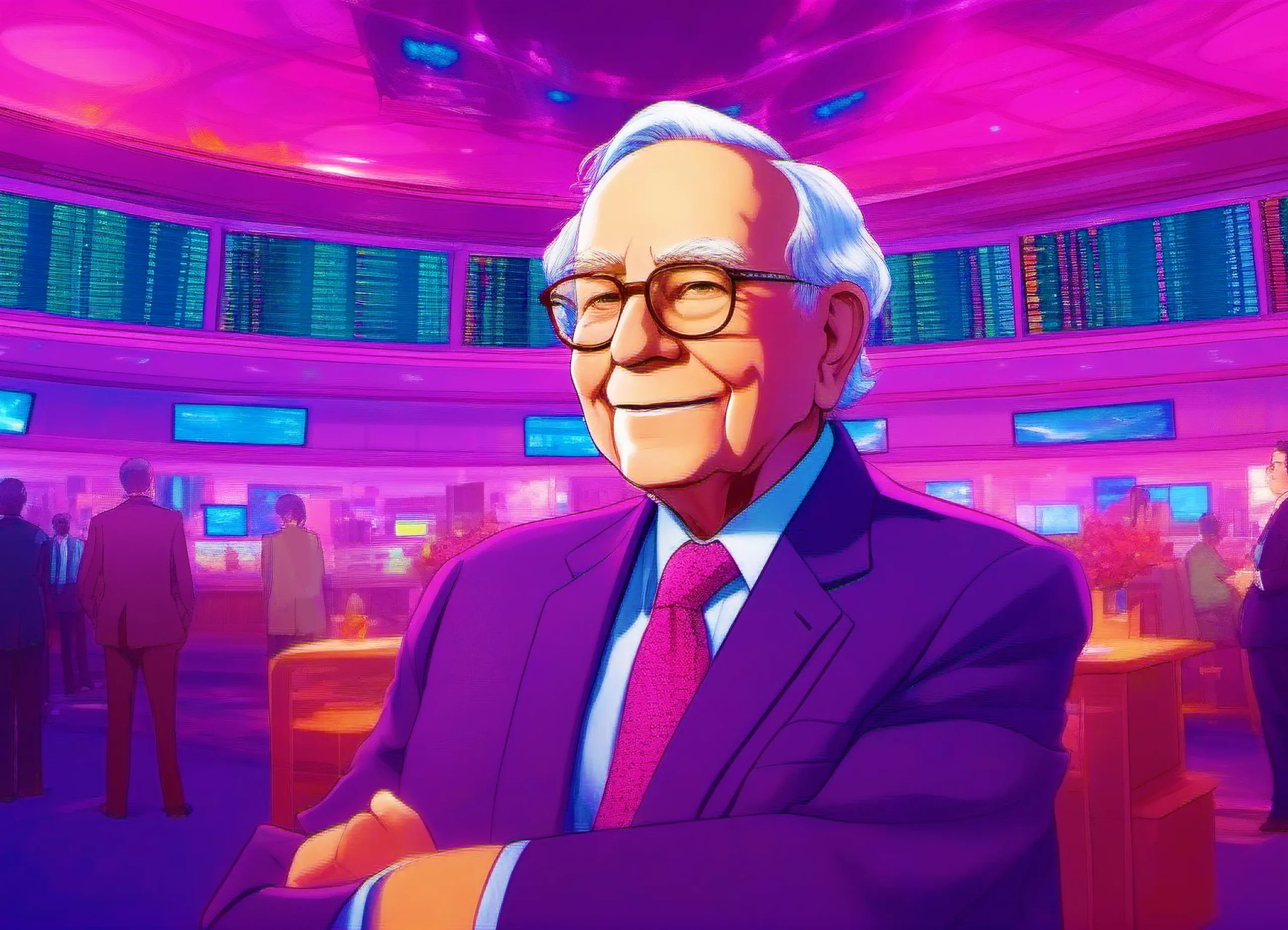
Berkshire Hathaway is likely the most famous and respected company on Wall Street. The conglomerate owns businesses across a wide range of industries and has been led since 1965 by iconic investor Warren Buffett. Founded as a textile company in 1839, Berkshire now wholly or partly owns over 115 companies worldwide.
Buffett bought his first shares in Berkshire Hathaway in 1962, and within two years realized the company was in decline. Instead of selling, he started buying more shares and at the first opportunity removed incompetent management. By 1967 he had moved away from textiles into finance, and through disciplined investments-built Berkshire Hathaway into one of the largest publicly traded companies in the U.S. Today its total assets approach $1 trillion, with major holdings in energy and large positions in Japanese trading houses. At 92, Buffett still looks for opportunities: Berkshire holds roughly $130 billion of cashlike liquidity. The company’s equity portfolio is worth nearly $325 billion, and Buffett personally owns about 37.26% — a stake worth roughly $113 billion. The lesson: he quite literally took control of the company to make it work.
From a garage to the stars
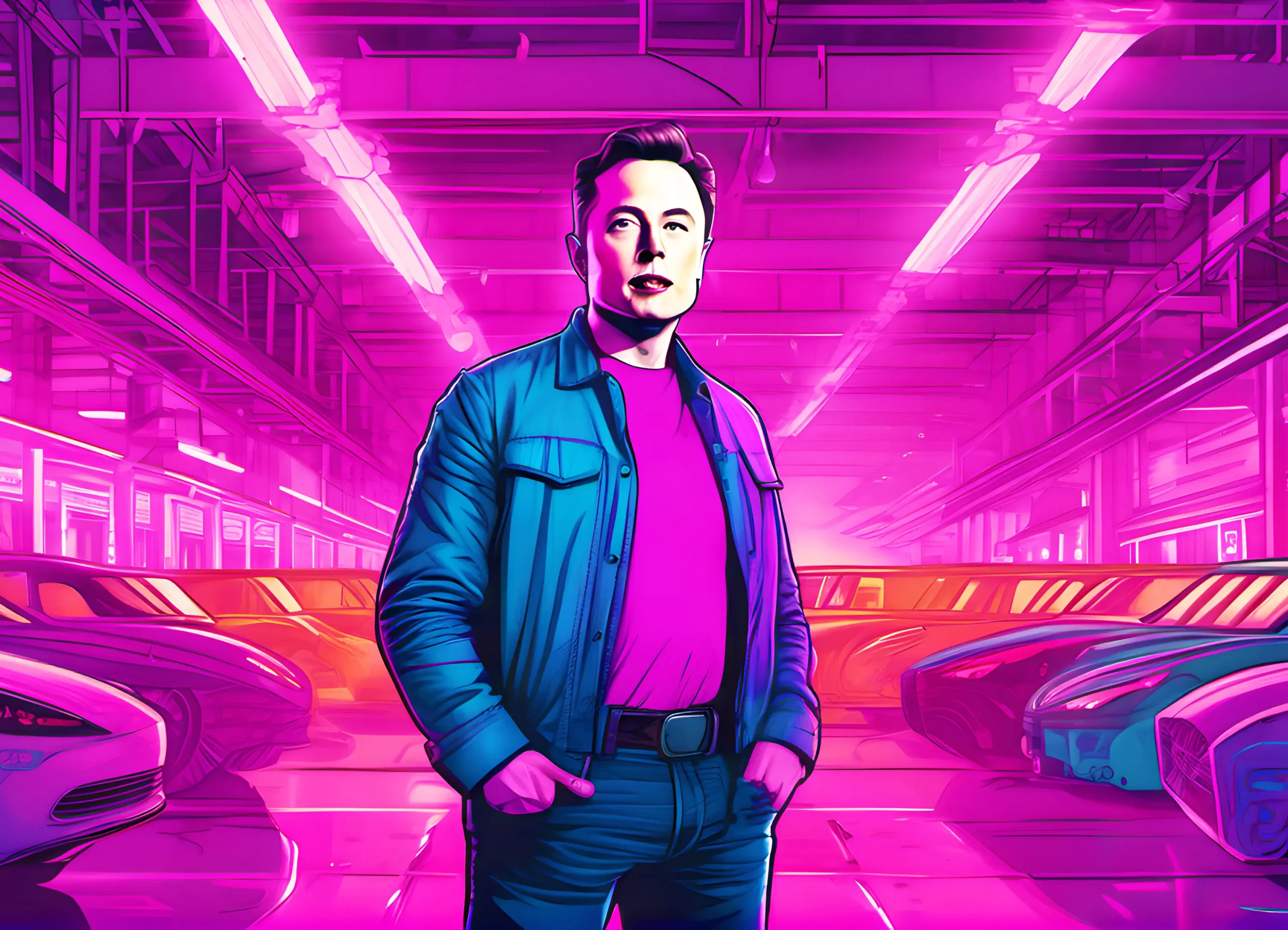
Did you know Elon Musk did not found Tesla? He joined the company a year after its founding in 2004, becoming CEO and product architect in 2008 and launching its meteoric rise.
Tesla’s early years were precarious and the company survived largely thanks to Musk’s personal drive to persuade investors. With enthusiasm, a clear vision and unwavering belief in his “adopted child,” he turned a plucky startup into the world’s largest electric vehicle maker and a trendsetter for global mobility — and made many early investors wealthy.
Now almost every automaker is transitioning to electric power, even longstanding makers of internalcombustion performance cars. Tesla must transition too: from being a pioneering evangelist for EVs to securing sustainable competitive advantages against seasoned rivals. One potential edge is autonomous driving — if Tesla successfully deploys robotaxis, it could capture massive revenue and strengthen its market valuation.
But Musk’s ambitions don’t stop at road transport. With SpaceX he is reshaping the space industry: building and leasing rockets that deliver satellites, equipment and people to orbit more affordably than before. He is paving a pathway toward Mars. His visionary drive extends into other areas as well, e.g., his acquisition and transformation of Twitter (now X) and his public warnings about AI. Musk currently owns about 13% of Tesla, a stake worth roughly $116 billion — starting from a boyhood fascination with electric toys to owning a global industrial champion.
Shared theme — but not a guaranteed recipe

Berkshire Hathaway and Tesla are just two examples of major companies advanced by leaders who hold meaningful ownership stakes. We find such engaged owners at the helm of many of the world’s most successful firms. Ownership alignment is powerful, but it is not a guarantee of success; strong foundations, a good product and financial stability are also required.
Value is more than a number
In investing, a company’s financial valuation matters. Models can give us an estimate of current or expected value, but the business environment constantly changes and valuation can shift dramatically.
Beyond financials, it’s wise to assess sector dynamics, the company’s products, management quality, market position, brand strength, vision, human capital and innovation — factors that are hard to capture in pure numbers. Valuation is a useful tool, but not by itself a promise of returns.
Look for owneralignment in every investment
The principle of owner engagement applies not only to public equities but also to project bonds and privately held assets. At Sympatia we follow this philosophy: we invest not only our clients’ capital but also our own into the projects we develop. If you own something, you care about it — and you do everything to make it work.