What is a pension and why is it important?

A pension provides financial security when its recipient reaches a certain age or is unable to work. Primarily, it protects people in difficult life circumstances such as job loss, incapacity for work (disability), the death of a close relative or old age. These pensions are provided by the state through the socialsecurity system, which is administered by the Ministry of Labour, Social Affairs and Family via the Social Insurance Agency. The Social Insurance Agency pays the following pensions: oldage pension, early oldage pension, widow’s and widower’s pensions, disability pension and orphan’s pension.
When does entitlement to a pension arise?
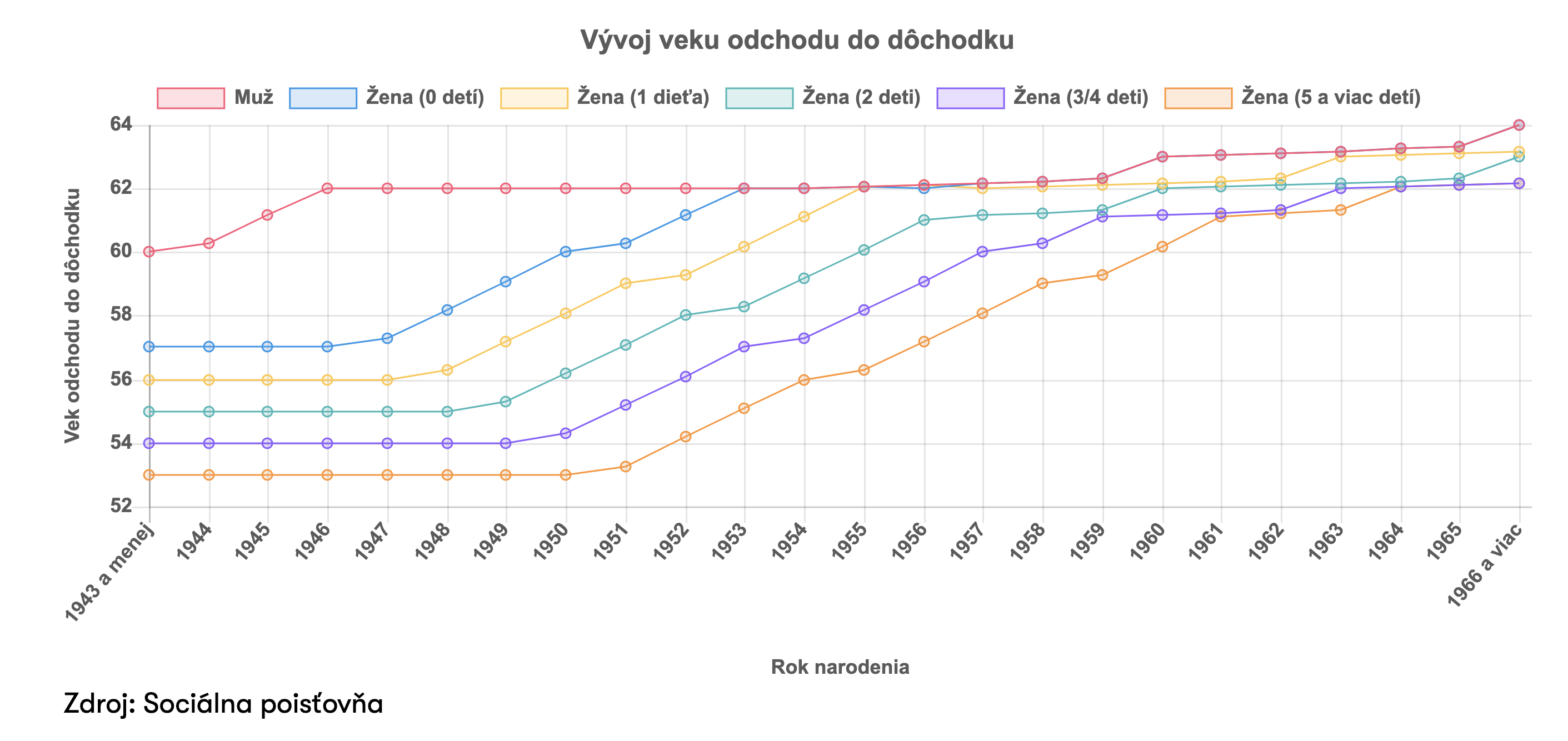
Entitlement to a pension depends on the type of pension. Entitlement to an oldage pension arises on reaching the required age, provided the claimant has been covered by pension insurance for at least 15 years. For an early oldage pension, the applicant must be no more than two years short of the statutory pension age. An early oldage pension is reduced because it is paid early; however, the amount must be at least 1.2 times the subsistence minimum (i.e. EUR 261.70) for an adult individual. Entitlement to a disability pension arises once disability is recognised, provided the applicant has been pensioninsured for the required number of years, which is determined by the claimant’s age. Entitlement to a widow’s or widower’s pension arises on the death of a spouse who was entitled to a pension, i.e. who met the required length of insurance. The surviving spouse may receive the pension for one year, or for a longer period if they are caring for an unmarried child, or if they themselves receive a disability pension and their ability to work has been reduced by more than 70%. Entitlement also arises where the surviving spouse raised at least three children, or reached age 52 having raised two children. A further possibility is entitlement on reaching the surviving spouse’s pensionable age. The amount payable is 60% of the deceased person’s pension. Entitlement to an orphan’s pension arises on the death of a parent or adoptive parent, provided that the parent or adoptive parent was pensioninsured for at least 15 years or was already receiving a pension. This pension is paid until the child reaches adulthood, or until age 26 (inclusive) if the child is a fulltime student, and amounts to 40% of the deceased parent’s or adoptive parent’s pension.
Pensions will be uprated
Social benefits and pensions are uprated annually by indexation, which represents an increase intended to reflect “pensioner inflation”. This is based on a selected consumption basket representing the main expenditures of pensioners. Some countries also use other forms of support in addition to indexation. In Slovakia this includes the socalled 13th pension — an extraordinary payment intended to help pensioners through financially demanding periods.
How is a pension calculated?
A mathematical formula is used to calculate pensions. The formula incorporates POMB (average personal wage point), ODP (period of pension insurance) and ADH (current pension value, adjusted for growth in average wages in the third quarter of the preceding year). These values are entered into the formula SD = POMB × ODP × ADH, the result of which is the monthly pension amount. As at 31 March 2022 the average oldage pension stood at EUR 511.63 per month. On average, current pensions constitute roughly 40% of the gross monthly wage.
Disclaimer
All texts, images, graphics and other objects contained in this document are protected by copyright and may not be copied, distributed, altered or provided to third parties without the prior written consent of Sympatia Financie, o.c.p., a.s. This document contains general information only. Sympatia Financie, o.c.p., a.s. does not provide professional advice or services through this document and is not liable for any damage arising directly or indirectly in connection with any person who relies on this document.